TRAINING & BEHAVIOR

How to Teach a Dog to Stay: Simple Training Steps for Beginners

Master one of the most essential life skills for a calm, confident companion using positive reinforcement and gradual progression.

Read the Guide
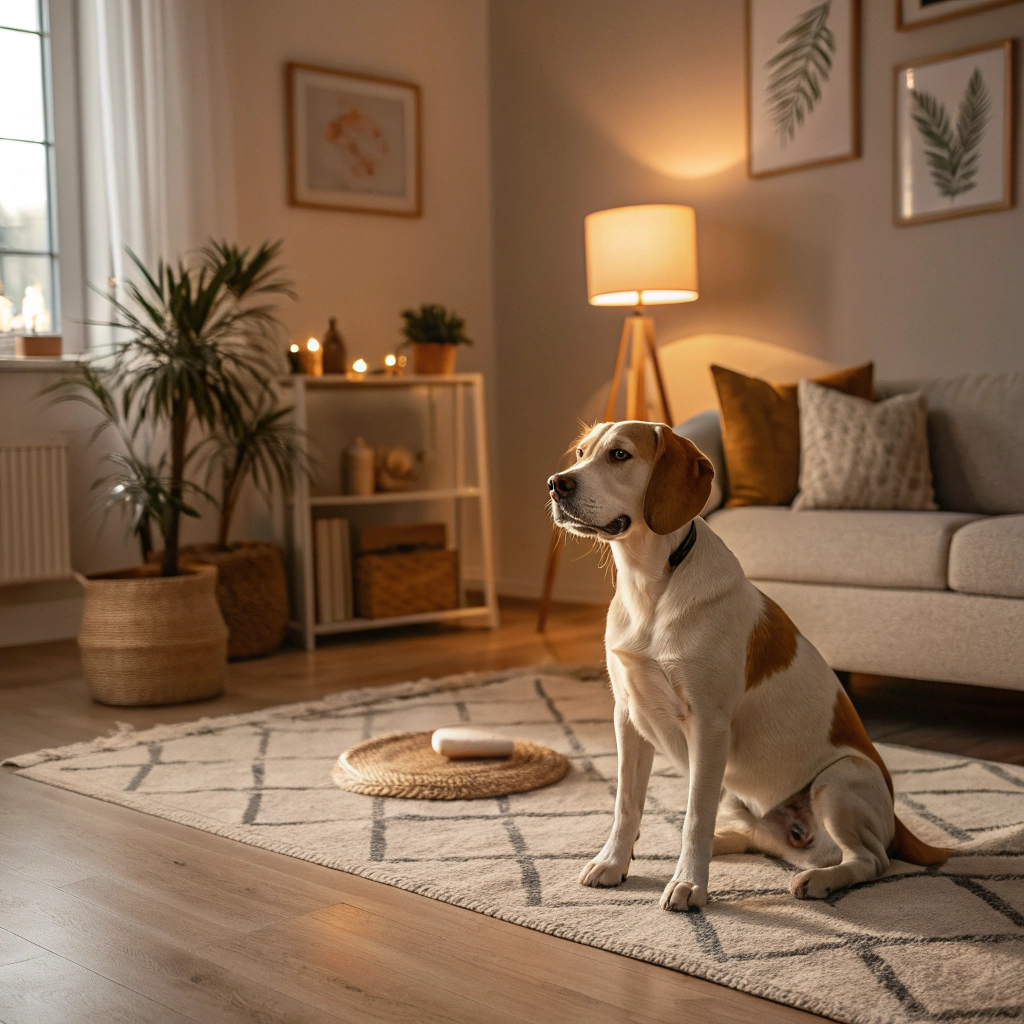
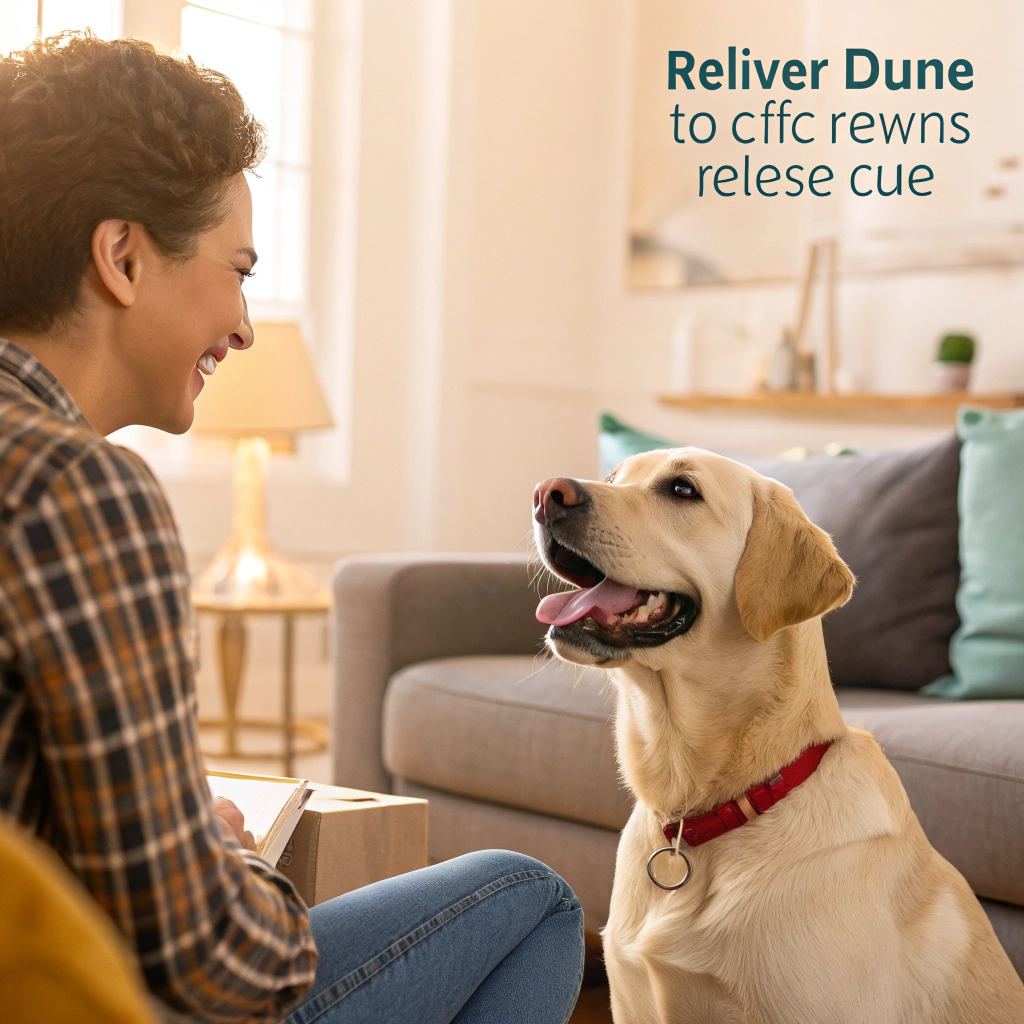
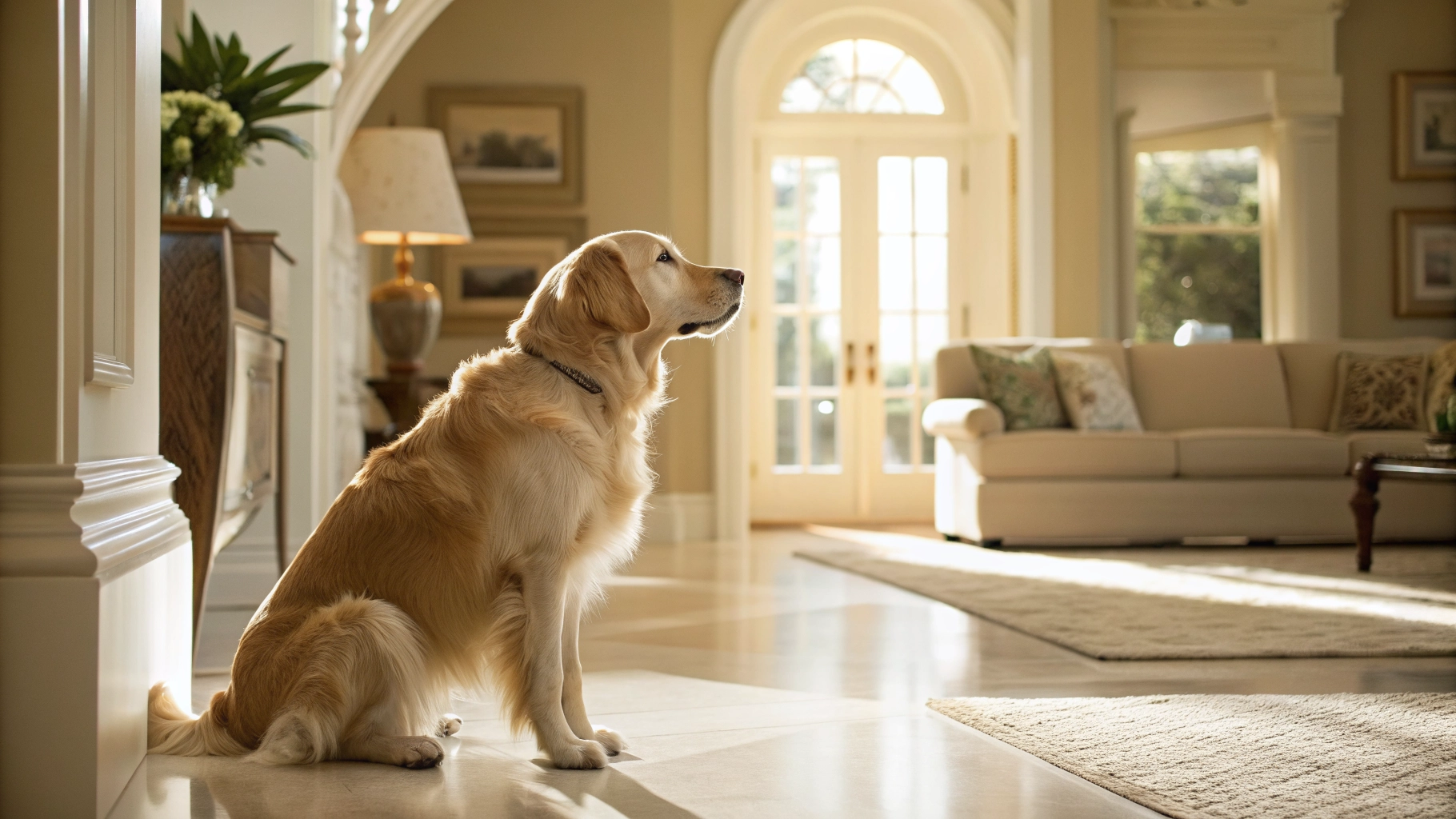
A calm golden retriever dog staying in a beautifully lit, cozy modern living room

Why Teach Your Dog to Stay?

A reliable stay behavior is one of the most practical tools you can build into your dog's routine. Rather than just a showcase trick, it provides an elegant solution to chaotic everyday moments—whether you are answering a busy front door, preparing meals without under-foot interruptions, or ensuring a calm and safe grooming session. By teaching your dog to remain comfortably in place, you build a foundation of mental self-regulation. The key to mastery is starting small: build confidence by rewarding short, successful holds before gradually demanding longer durations. Every successful repetition reinforces their focus and strengthens your bond.

Key Takeaways

COZY PUPPY PEDAGOGY

What Does "Stay" Actually Mean?


Many dog owners conflate 'stay' and 'wait', but they serve entirely different purposes. A true Stay is an absolute contract: once cued, your puppy must not move a single paw until they hear their specific release word—like 'free' or 'okay'. Unlike a temporary 'wait' (which merely pauses forward momentum before another cue), 'stay' requires complete physical and mental stillness, building deep impulse control and mutual trust.

The Preparation Phase

Before teaching the stay cue, ensure you have these five essential elements in place.

Small Treats

High-value, pea-sized rewards to maintain rapid motivation without overfeeding.

Quiet Area

A calm, distraction-free environment to guarantee early success during initial sessions.

Sit/Down Base

A reliable understanding of sit or down postures before introducing duration layers.

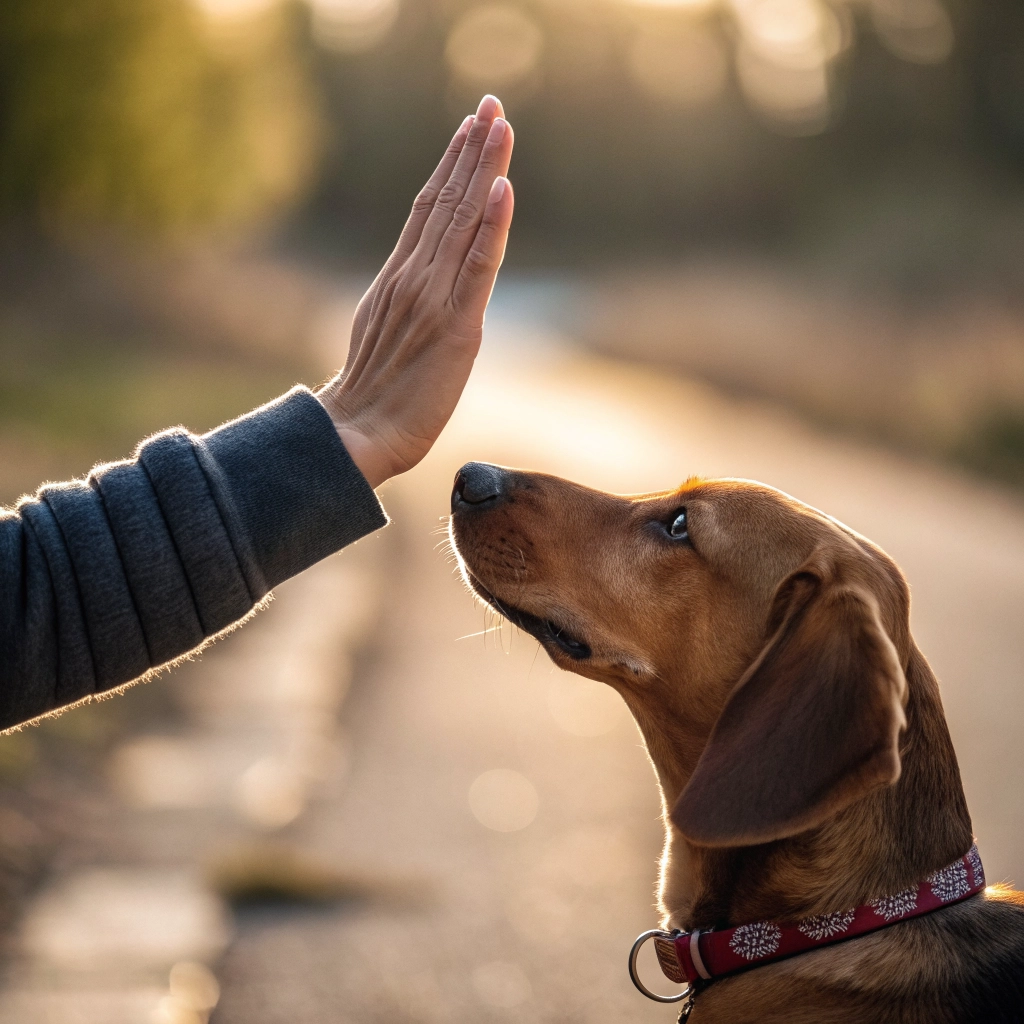
Hand Signal

An open palm facing your pup acts as an intuitive, highly visible physical boundary.

Patience

Progress is measured in split seconds. Stay patient and celebrate small steps.

STEP-BY-STEP EDITORIAL GUIDE

Teach Your Dog to Stay in 6 Simple Steps

A thoughtful, positive approach to cultivating duration and focus, designed to blend naturally into your peaceful home lifestyle.

01

Choose Position

Golden Retriever dog sitting calmly in a cozy home interior ready for staying cue

Begin with your dog in a comfortable sit or down position. A relaxed, natural posture forms the absolute solid foundation for learning to stay.

02

Give Cue

Owner giving hand signal cue to staying dog inside a cozy, warm ambient living room

Present a flat-palm hand signal and state the cue 'Stay' clearly. Keep your voice tone gentle, calm, and deliberate to maintain their focus.

03

Wait Briefly

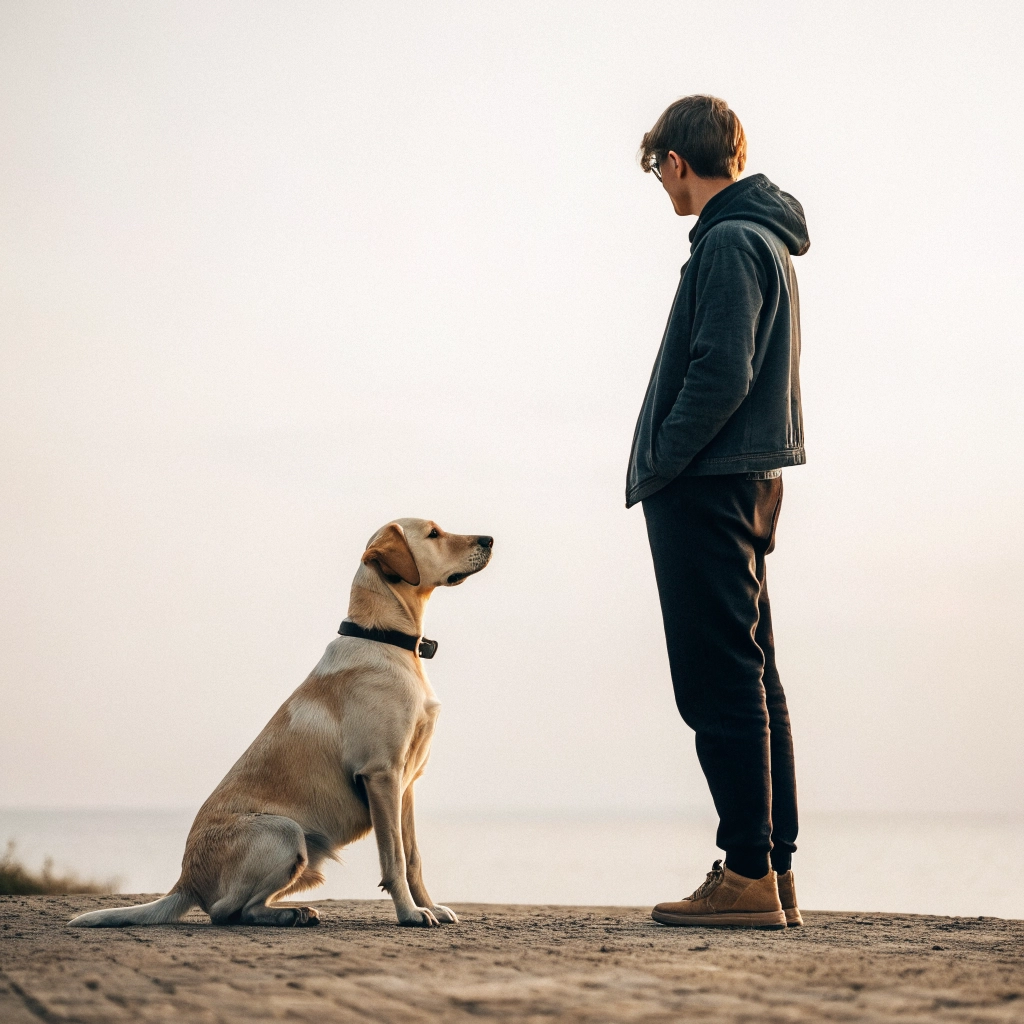
Owner holding position standing still opposite to a calm pet dog sitting on rug

Hold the staying position for just one to two seconds initially. The secret is ensuring and rewarding quick success before they ever think to break.

04

Reward in Position

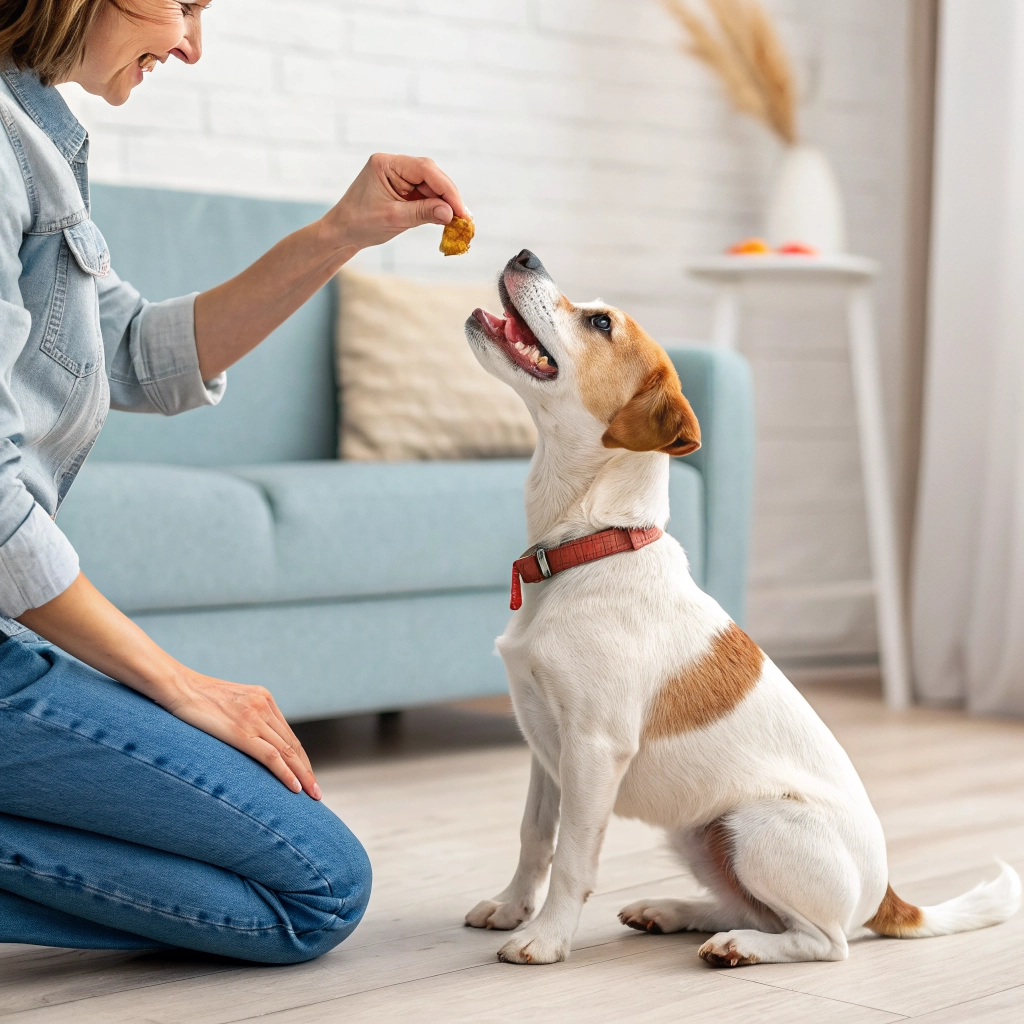
Owner rewarding dog with treat directly into mouth while keeping steady posture

Step cleanly back to your dog and deliver a delicious high-value reward directly to their mouth, while they continue to hold the stay.

05

Return & Release

Owner returning to stand beside golden retriever dog and happily releasing behavior

Slowly step back to their side, then calmly offer a cheerful release word like 'Okay' or 'Free' to clearly signal that the exercise is happily complete.

06

Build Gradually

Well behaved golden retriever staying patiently in beautifully decorated modern home interior

Over several training sessions, slowly extend the stay duration and increase your distance. Gentle persistence yields stunningly calm success.

What to Do If Your Dog Breaks the Stay

If your dog breaks position, there is no need for frustration or punishment. A broken stay is simply clear feedback that the exercise was too challenging in that moment. Calmly and gently guide your puppy back to their starting position, reset, and immediately make the task slightly easier. Reduce the distance you walk away, shorten the duration of the wait, or minimize the surrounding distractions. Cultivating a calm, supportive space builds lasting trust and reliable obedience.

Common Beginner Mistakes

Dog Stay Training Quick Checklist

A structured, step-by-step framework to build a rock-solid stay. Consistency in these core areas ensures your dog feels secure, clear, and perfectly set up for success.


Small successful repetitions add up to a much more reliable stay.

REAL-WORLD PROOFING

Practice the Stay in Real-Life Situations

Transitioning training from quiet spaces to dynamic real-world environments is how reliable habits are formed. Integrate these eight editorial scenarios into your daily lifestyle.

Golden Retriever sitting politely at an open front door
01 / ENTRYWAYS

Opening the Door

Keep your companion rooted calmly on the threshold even as the door swings wide open.

Dog waiting patienty for its food bowl to be set down
02 / NOURISH

Mealtime Manners

Establish a graceful pause. No rushing the bowl until the official release word is beautifully spoken.

Hands gently grooming a calm dog in a warm light
03 / WELLNESS

Grooming & Care

Encourage peaceful cooperation during brushing, towel dries, and sensitive paw examinations.

Golden Retriever looking perfectly poised for a photo
04 / CREATIVE

Picture Perfect

Step back to capture beautiful candid moments without your companion breaking stance for the lens.

Happy friendly dog looking calm in a bright room
05 / WELCOME

Welcoming Guests

Prevent over-excited greetings by training a steady stay until guests are fully settled and seated.

Well-behaved dog walking next to owner on leash near street
06 / TRANSIT

Curbside Safety

A vital boundary habit: pausing beautifully at every curb before getting the cue to cross.

Cute puppy sitting nicely inside a beautiful warm coffee shop
07 / SOCIAL

Outdoor Dining

Enjoy your morning coffee while your companion settles contentedly under the café table.

Attentive white dog waiting nicely in a clean room
08 / INDOORS

Parcel Deliveries

A steady hold on their dedicated mat prevents front door chaos when the doorbell rings.

FOUNDATIONS OF MASTERY

Building Reliability Over Time

True consistency is not trained overnight. It is carefully layered through patience, systemic progression, and practicing in new environments. By slowly raising the criteria—adding mild distractions, expanding your distance, and lengthening the duration—you build unshakable trust.

Remember to keep sessions short, celebratory, and rewarding. If your companion makes a mistake, simply take a step back to an easier stage. The key is setting them up for effortless success.

Explore Advanced Proofing
0 0 s

Patience & Timelines

Start with seconds-long holds and gradually scale up only when comfort is sustained.

0 %

Consistency of Cue

Use identical verbal markers and tone to construct clear parameters of reward.

1 +

New Environments

Slowly expand locations from your hallway to quiet parks, bustling paths, and local cafes.

Frequently Asked Questions

Our comprehensive guide to establishing a peaceful, structured training routine in your home.

What is the best age to start stay training?

You can begin introducing very brief stay concepts as early as 8 to 10 weeks old. At this tender stage, focus on short, successful milestones of just one or two seconds, always paired with gentle encouragement and high-value rewards.

While 'sit' implies that your dog should remain in position until given another cue, 'stay' acts as an explicit duration marker. Using 'stay' helps set clear boundaries, signaling that the dog must remain anchored specifically through oncoming distractions.

A release word (such as 'Okay' or 'Free') is a clear verbal cue that tells your dog the exercise is complete and they are free to move. This is crucial because it prevents your dog from deciding when to end the behavior on their own.

To build duration smoothly, increase the stay time incrementally by just half-seconds or single seconds. Always reward your dog while they are actively holding the stay position, rather than after they have already broken it.

Begin in a completely quiet, familiar room. Once your dog is successful, slowly introduce low-level distractions, such as taking a step backward, tossing a toy gently, or opening a door slightly, ensuring they remain calm throughout.

If your dog breaks a stay, calmly and gently guide them back to their starting position without scolding. Simply make the next repetition slightly shorter or easier to set them up for a positive, successful outcome.

Keep stays for young puppies incredibly brief—ideally between 2 to 5 seconds. Their cognitive development is still in progress, so brief, high-energy sessions ensure they remain confident, enthusiastic, and eager to learn.

Absolutely. A flat, open hand signal facing your dog is an incredibly intuitive visual anchor. Hand signals are highly effective at a distance or in busier, noisier environments where verbal cues might get lost.

Both are useful, but a 'down-stay' is physically more stable and encourages deep relaxation for longer periods. A 'sit-stay' is perfect for quick, alert control when answering the front door or crossing streets.

When transitioning outdoors, always lower your expectations. Start with much shorter durations and stay very close to your dog. The barrage of natural scents, wind, and movement requires extra focus, which demands patience.

Two or three brief sessions of about 5 minutes daily are ideal. Practicing in short, positive bursts prevents mental fatigue and keeps your dog excited to participate, turning learning into a joyful part of your routine.

Absolutely. Senior dogs can learn beautifully with gentle, low-impact training exercises. Stay training is an excellent way to provide mental stimulation, helping to keep their cognitive pathways active and their minds sharp.

The Foundation of Calmness

A successful stay training routine is built on security and comfort. When your dog has a dedicated, premium resting space that is uniquely theirs, they learn to associate their bed with deep relaxation and calm focus. Beautifully integrated into your home, our products turn active training sessions into peaceful living.


Create a Cozy Space for Calm, Confident Training

Discover our collection of premium beds and accessories designed for your dog's best life.

Shop the Collection