Canine Sleep Study

Why Is My Dog Sleeping So Much? Understanding Changes in Sleep


An elegant study into the quiet hours of our companions. As dogs age, or as seasons transition, their slumber patterns naturally shift. Learn when deep rest represents restorative comfort, and when it marks a subtle, physical change requiring gentle attention.

Read the Full Journal
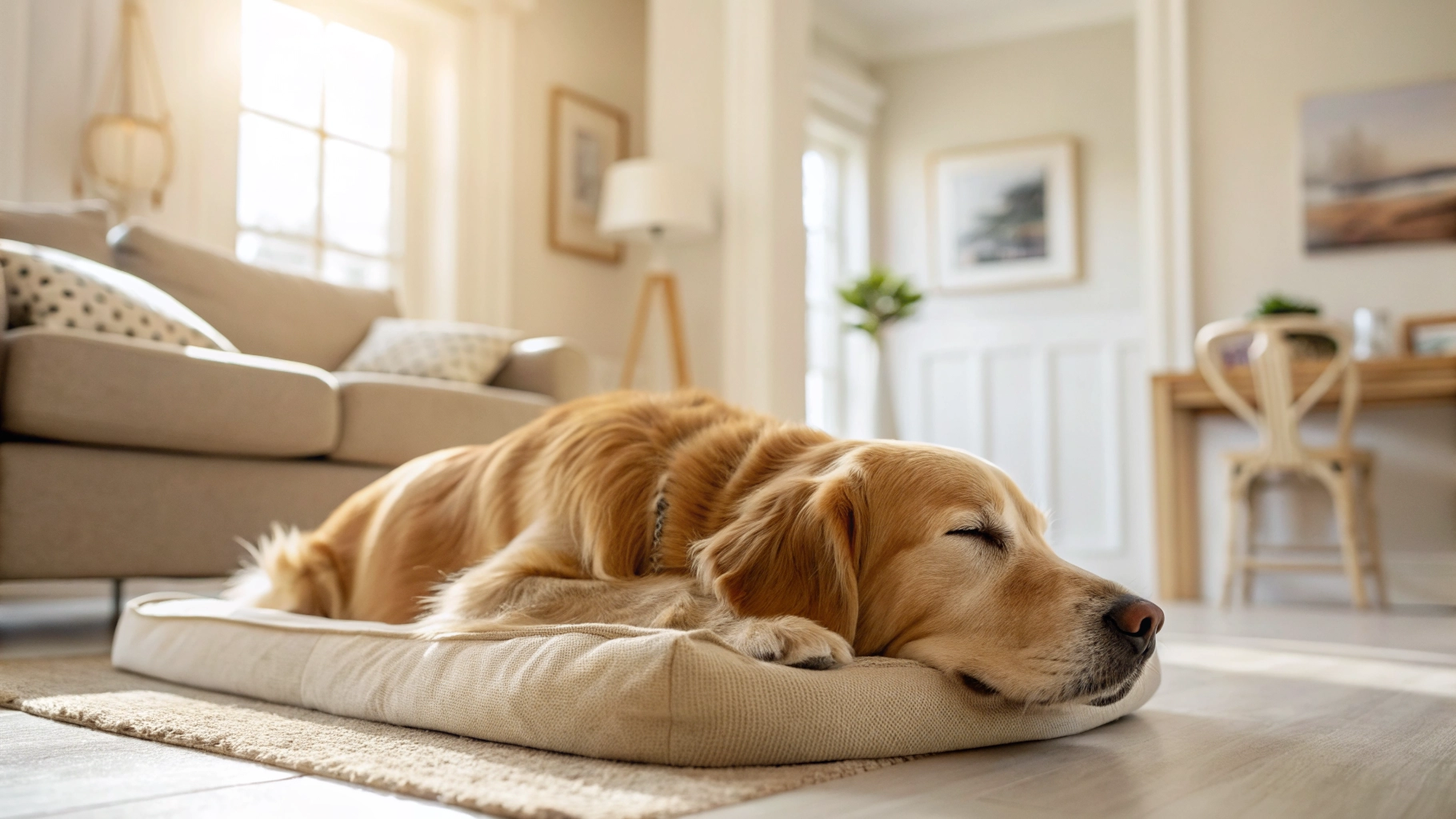
Beautiful sleeping dog curbed up in a premium cozy bed, warm interior sunlight

At a Glance

Key Takeaways on Canine Rest

A refined, medically balanced summary of how dogs sleep, how patterns shift through vital life stages, and when to proactively connect with your vet.

Healthy Dogs Sleep a Lot

Adult dogs naturally spend about half of their 24-hour cycle sleeping. This high volume of rest is completely normal and vital for processing memories and restoring physical energy.

Puppies Need More Rest

Rapidly growing puppies require up to 18 to 20 hours of quiet, undisturbed deep sleep daily to fully support their physiological and cognitive development.

Seniors Experience Shifts

Aging canine companions experience alterations in sleep architecture, resting more during daylight hours while sometimes showing signs of restlessness during quiet nights.

Breed & Size Influence Rest

Size and biological heritage dictate sleeping habits. Giant breeds generally require more downtime, whereas highly active working dogs may stay vigilant on far fewer hours.

Sudden Changes are Key

An abrupt departure from your companion's established baseline routine is often the first visible signal of underlying physical stress, discomfort, or shift in environmental health.

Lethargy vs. Sleepiness

Sleepy dogs wake up responsive, alert, and eager to interact. Conversely, lethargy manifests as lingering weakness, physical sluggishness, and indifference even during waking hours.

Monitor Co-occurring Signs

Keep a close watch on secondary issues. Variations in sleep paired with decreased appetite, noticeable limping, whimpering, or sudden social withdrawal warrant careful observation.

Consult a Veterinary Expert

When in doubt, consult your veterinarian. Partnering with a professional is the best way to interpret behavioral changes and secure your companion's absolute health and happiness.

How Much Do Dogs Normally Sleep?

On average, adult dogs spend about 12 to 14 hours of their day asleep. Unlike humans who sleep in one long block, dogs are polyphasic sleepers, drifting in and out of rest throughout the day and night. Establishing a personal baseline is key: notice your dog's typical patterns, as sudden deviations can often indicate changes in their underlying health, comfort, or mood.

Puppies: Why Young Dogs Sleep So Much

Puppies are powerhouse engines of growth, requiring up to 18 to 20 hours of sleep per day to fuel their rapid physical development and brain maturation. Their days are defined by intense, dizzying bursts of play, immediately followed by deep, sudden collapses into cozy slumber. Creating a structured routine helps them wind down securely and supports healthy development.

DAILY REPOSE GUIDE

How Much Sleep Does Your Dog Need?

Sleep is the quiet foundation of canine vitality. From the rapid growth of puppyhood to the gentle rhythm of their senior years, discover the natural rest cycles required for a healthy, peaceful life.

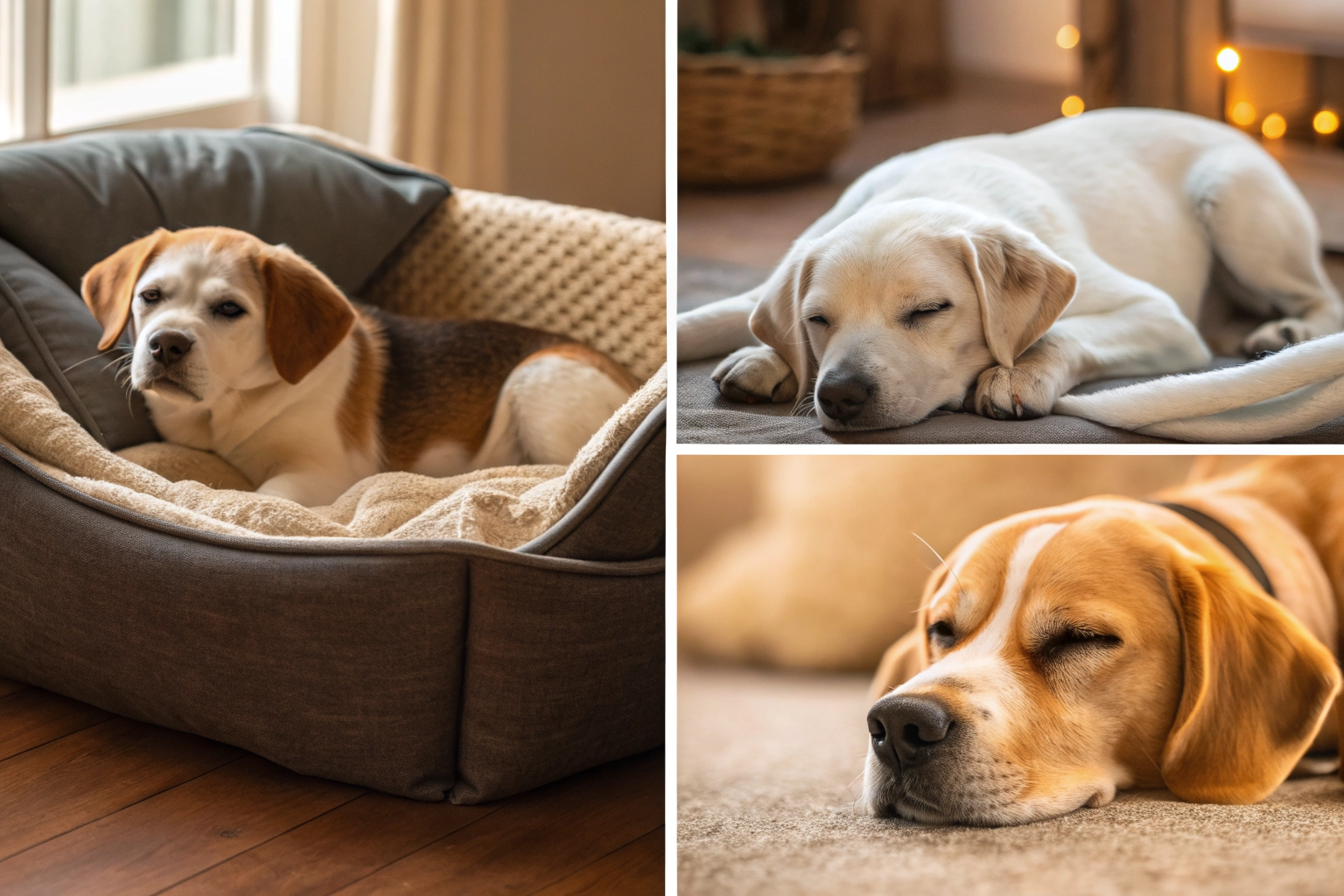
Cozy sleeping puppy representing early life rest requirements

01. Puppies

18 – 20 Hours Daily

Rapid cognitive development and physical growth demand immense energy. Puppies require deep, undisturbed slumber to safely build healthy nervous and immune systems.

Adult dog resting peacefully after activity

02. Adult Dogs

12 – 14 Hours Daily

An active lifestyle balanced with structured downtime keeps mature companions mentally sharp. Their sleep patterns consist of regular, restorative cycles throughout the day.

Senior dog resting comfortably on a soft bed

03. Senior Dogs

14 – 16 Hours Daily

As joint mobility naturally slows down and energy levels quieten, older dogs require longer, deeper periods of comforting, highly supportive rest to protect tired muscles.

The Physiology of Canine Sleep

Why Every Dog Rests Differently


Breed, Size, and Personality


A dog’s genetic heritage profoundly shapes their sleeping architecture. Giant breeds like Great Danes or Mastiffs expend immense physical energy simply supporting their weight, requiring up to 16 hours of deep rest to aid skeletal recovery. Conversely, highly responsive guardian and working breeds tend to cycle through lighter, highly vigilant sleep patterns, remaining instinctively alert to ambient sounds even during long periods of rest.

Activity, Exercise, and Mental Stimulation


True rest is an active physiological process driven by previous exertion. Physical activity acts as a natural tire, but it is cognitive enrichment—such as trailing, problem-solving, and scent work—that genuinely calms a dog's nervous system. Without sufficient mental engagement, cortisol levels remain elevated, preventing them from falling into the deep REM sleep critical for memory consolidation and emotional health.

Sleepy or Lethargic?

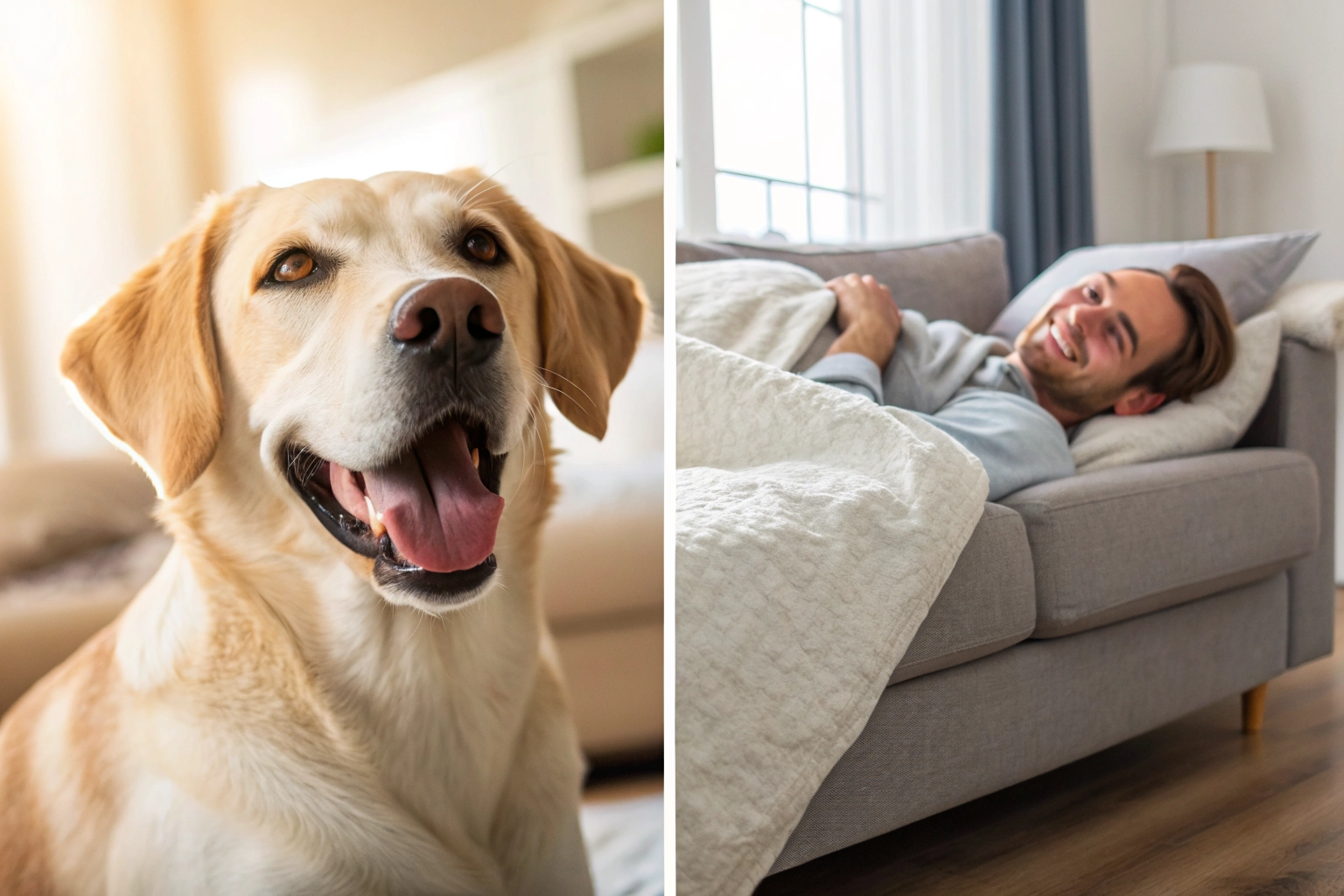
It is completely normal for puppies to sleep up to 18 hours a day. However, true clinical fatigue looks different. Here is how to tell when your dog is resting peacefully, and when they might need care.

Probably Just Sleepy


Beautiful peaceful dog sleeping curled up on a cozy blanket

Could Be Lethargic


Lethargy is one of the most common early indicators of illness in dogs. Read Our Veterinary Guide
LIFESTYLE & HEALTH ESSENTIALS

The Architecture of Canine Sleep


Routine, Environment, and Lifestyle Changes

Subtle shifts in daily life carry massive weight for our companion animals. When their predictable world changes, their sleep schedule is often the first indicator of their internal adjustment process.

STRESS & ADAPTATION

A change in household dynamics—such as moving to a new home, welcoming a new pet, or adjusting your work schedule—can trigger mental fatigue. Much like humans, dogs utilize sleep as a natural coping mechanism to process stress, recharge their neurological systems, and retreat from sensory overload.

ENVIRONMENTAL BOREDOM

When a dog’s day lacks active mental and physical stimulation, they default to sleep. If they are left alone for longer periods without engaging interactive toys, training challenges, or olfactory-rich walks, listlessness takes over, mimicking physical exhaustion.

PHYSICAL RECOVERY & HEALING

Following intense physical exertion—such as an active beach run, long hikes, or play dates—dogs require extensive cycles of deep, slow-wave sleep. This is vital for muscle tissue synthesis, reducing systemic inflammation, and processing muscle fatigue.


Common Reasons a Dog May Suddenly Sleep More

When a change in resting patterns happens overnight, it demands your attention. Sudden changes can point to internal shifts in your dog's physiological requirements, age cycles, or overall physical comfort.

DEVELOPMENTAL & AGE DEVIATIONS

Puppies undergo rapid developmental spikes that drain immense metabolic energy, often sleeping up to 18-20 hours a day during a growth phase. Conversely, senior dogs naturally transition to longer sleep durations due to diminished metabolic reserves, natural muscle degeneration, and general joint stiffness.

POTENTIAL MEDICAL CONTRIBUTORS

A sudden and steep rise in lethargy can indicate underlying physiological conditions. Systemic infections, hypothyroidism, metabolic imbalances, diabetes, or osteoarthritic joint pain can make movement uncomfortable, leading your dog to remain in their resting zone. If this behavior occurs abruptly or alongside appetite shifts, a prompt veterinary consultation is strongly recommended.

Want to learn more about tracking your dog’s wellness and recovery patterns?

Read the Full Canine Health Guide
COZY PUPPIES EDITORIAL

Dog Sleep Change: Quick Owner Checklist

If you have noticed subtle shifts in your companion's resting habits, use this thoughtful 12-point reference checklist to assess if it's time for a professional veterinary consultation.


01

Sleeping More

Is your companion resting significantly more hours than their usual daily average?

02

Waking Alertness

Are they easily responsive and bright-eyed when they awaken, or do they seem dazed?

03

Food Interest

Do they show immediate appetite and excitement when meals are prepared?

04

Walk Enthusiasm

Are they eager to embark on walks, or do they tire quickly and lag behind?

05

Toy & Play Engagement

Do they still interact willingly with toys, or have they lost interest in playing?

06

Appetite Consistency

Has there been any notable decrease in the speed or amount they eat daily?

07

Bathroom Patterns

Have you observed any sudden changes in elimination frequency or comfort levels?

08

Mobility & Ease

Do they struggle to stand, jump on the bed, or navigate stairs easily?

09

Signs of Pain

Are they whimpering, licking their joints, or shifting restlessly while lying down?

10

Other Symptoms

Have you noticed heavy panting, coughing, or tummy upsets alongside the sleep change?

11

Sleep Schedule

Has their internal clock flipped, causing nocturnal pacing, whining, or confusion?

12

Duration of Change

Has this new pattern or behavior persisted for more than 48 to 72 consecutive hours?

Note: This checklist is for observational reference only. If your dog exhibits acute pain, extreme lethargy, or refuse water, please consult your veterinarian immediately.

Download Printable Checklist