Why Is My Dog Not Eating? Common Causes & What to Do

A guide to understanding appetite changes and when to seek veterinary care.


When your dog suddenly stops eating, it can be deeply concerning. While an occasional skipped meal can happen, a significant or persistent change in eating habits deserves attention. Loss of appetite can have many causes, from food preferences to stress or illness. Context matters—age, health history, and other symptoms all play a role.

[MANUAL IMAGE PLACEHOLDER — HERO IMAGE] Elegant editorial photo of a calm dog laying down

Key Takeaways


Canine Clinical Wellness // Longform Essay

What Does It Mean When a Dog Won't Eat?

A sudden shift in your dog's appetite can be deeply concerning. While a single skipped meal might simply point to a passing mood or minor digestive rest, a persistent refusal of food demands careful observation and an understanding of underlying physiological and psychological triggers.

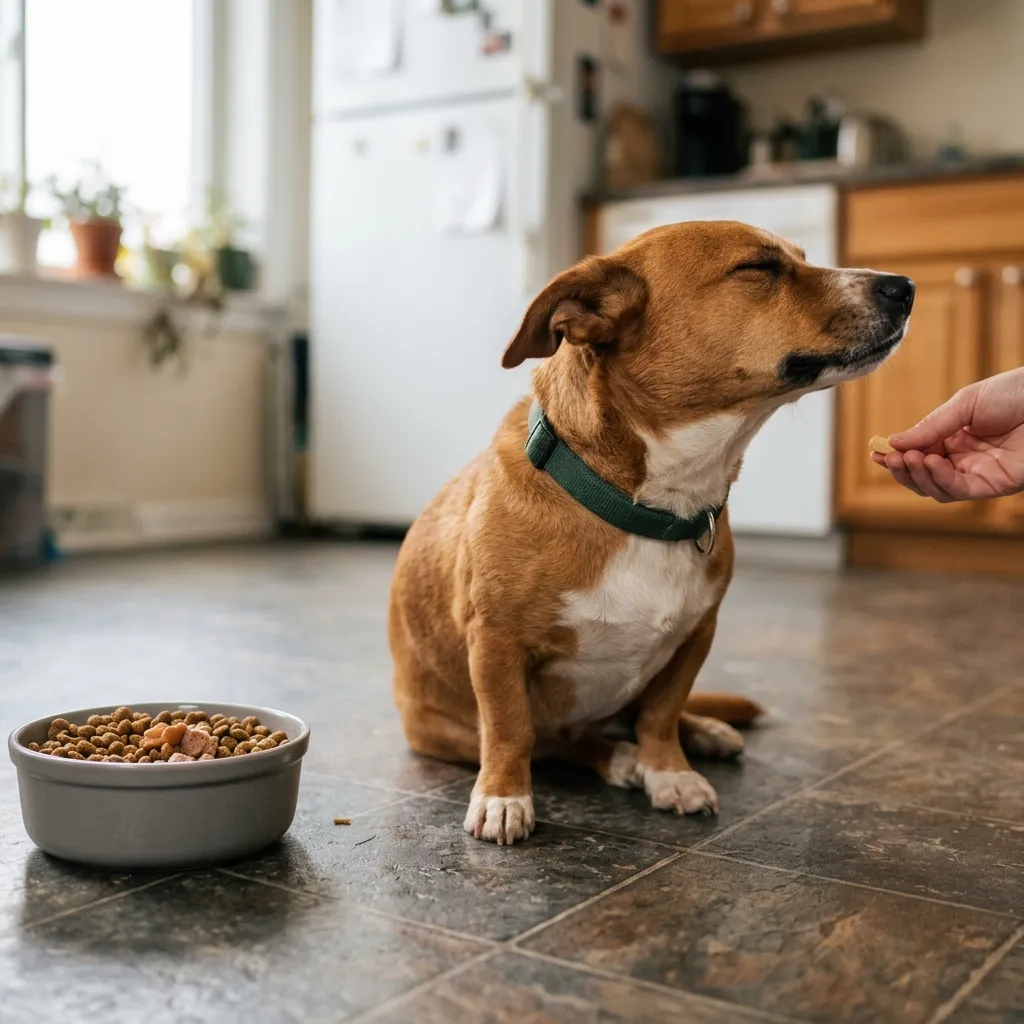
Veterinarians draw a critical distinction between a temporary decrease in appetite—often caused by minor digestive upsets, heat, or mild pickiness—and a significant, sustained loss. There is also a major diagnostic difference between a dog who *wants* to eat but has difficulty physically consuming food (often accompanied by whimpering or dropping kibble) and a dog who completely *refuses* food, showing zero interest in even their favorite high-value options.


Common Cause #1

Illness or Feeling Unwell

Just like humans, dogs refuse food when they are physically suffering. Systemic issues such as gastrointestinal infections, acute pancreatitis, organ dysfunction, or localized infections frequently manifest first as appetite suppression. However, it is crucial to remember that a lack of appetite is a clinical symptom, not a standalone diagnosis. It serves as a vital warning sign that your dog's immune system or digestive tract is actively managing an underlying stressor or illness.


Common Cause #2

Dental Pain or Difficulty Eating

Sometimes, the issue isn't a lack of hunger, but the physical pain of eating. Periodontal disease, fractured teeth, oral tumors, or inflamed gums can make chewing dry kibble excruciating. Watch closely for warning signs: dropping pieces of food back into the bowl, chewing gingerly on one side of the mouth, sudden bad breath, or an immediate preference for soft canned food over hard treats. If your dog approaches the bowl eagerly but backs away after the first bite, dental discomfort is highly likely.


Common Cause #3

Stress, Anxiety, or Major Life Changes

Dogs are creatures of habit who thrive on predictability. Major environmental disruptions—such as relocating to a new home, welcoming a new pet or family member, or even a sudden change in your daily work schedule—can trigger severe situational anxiety. This psychological distress directly impacts their nervous system, shutting down the digestive drive. Recognizing that appetite loss can be emotional helps you respond with patience, routine restoration, and comfort rather than medical panic.

Veterinary Insights in Your Inbox

Join our thoughtful editorial circle. We send calm, scientifically backed guides for home canine care and nutrition once per month.

Why Might My Dog Not Be Eating?

A clinical-style diagnostic guide to understanding sudden loss of appetite. Explore the physiological, emotional, and dietary factors below to help evaluate your dog's current state.


01 / Illness

What it looks like: Sudden rejection of normal meals combined with systemic sluggishness. Watch for fever, diarrhea, vomiting, or a complete refusal of water.

02 / Dental Discomfort

What it looks like: Approaching the bowl but dropping kibble or whining while chewing. Watch for swollen or bleeding gums, excessive drool, and bad breath.

03 / Stress & Anxiety

What it looks like: Nervous posture, pacing, or eating only when you are nearby. Watch for recent household moves, storms, separation anxiety, or visitors.

04 / Food Changes

What it looks like: Sniffing the bowl with initial interest but walking away empty-stomached. Watch for a recent brand switch, old batches, or temperature variations.

05 / Medication Effects

What it looks like: Mild nausea, physical listlessness, or disinterest in treats. Watch for newly introduced veterinary prescriptions, vaccinations, or worming treatments.

06 / Routine Changes

What it looks like: Waiting passively near the bowl but neglecting food. Watch for altered feeding times, new family members, or recent adjustments to travel plans.

07 / Food Preferences

What it looks like: Holding out for premium table scraps while leaving high-quality kibble intact. Watch for excessive treat consumption or fatigue with monotonous flavors.

08 / Difficulty Eating

What it looks like: Hesitating to bend down or shifting weight. Watch for structural arthritis flare-ups, neck tension, or feeding bowls placed too low for comfortable reach.

Veterinary Insights & Care

Understanding Appetite Loss


Common Cause #4: Food Changes or Food Preferences

A sudden change in formulation, minor recipe alterations by manufacturers, or variations in overall ingredient freshness can cause your companion to reject their bowl. When introducing a new recipe or brand, executing a highly gradual transition over 7 to 10 days is key to matching their physiological and sensory preferences.

Common Cause #5: Medications or Treatment

Just as with humans, veterinary treatments can occasionally yield mild gastrointestinal side effects or persistent nausea. If your dog is currently undergoing a therapeutic plan, always consult your professional veterinarian before stopping or modifying any prescribed medications. They can often provide nausea-reducing solutions or alternative therapies.

Common Cause #6: Changes in Routine, Environment, or Mealtime

Dogs thrive in structured, peaceful rhythms. Subtle changes such as relocating their food bowl, upgrading to high-sided steel or ceramic bowls, or eating amidst heavy household activity can provoke mild performance anxiety during mealtimes. Creating a safe, quiet, and predictable environment can restore comfort.

How to Tell If Your Dog Wants to Eat but Can't

There is a significant veterinary distinction between a dog who lacks appetite and one who is hungry but physically restricted. Pay careful attention to behavioral patterns: approaching the food dish eagerly only to hesitate and walk away, pawing anxiously at the mouth, or dropping kibble mid-chew. These are immediate signs of physical discomfort, dental inflammation, or localized pain rather than simple stubbornness.

DIAGNOSTIC PROTOCOL

What to Check When Your Dog Refuses Food


01

Check Food Quality

Inspect the batch for expiration, spoilage, or recent changes in recipe formulation that might alter the scent profile.

02

Check feeding Environment

Identify localized stress triggers, loud appliances, or sudden relocations of their quiet eating corner.

03

Observe General Behavior

Monitor daily body language, natural tail carriage, attentiveness, and overall energy during their active hours.

04

Identify Co-occurring Symptoms

Watch closely for accompanying lethargy, digestive issues, vomiting, unusual thirst, or clear signals of dental pain.

05

Trace Recent Environment Changes

Reflect on sudden household changes, temporary travel, house guests, schedule variations, or emotional family shifts.

06

Analyze Eating Mechanics

Check if they show eager interest but quickly back away, tilt their head awkwardly, or repeatedly drop dry kibble.

07

Document the Rejection Pattern

Keep a written log detailing missed feeding times, total water intake, treats accepted, and any hour-by-hour changes.

08

Contact Your Veterinarian

Always consult medical specialists if complete food refusal persists past 24 hours or matches other physical symptoms.

Editorial / Canine Care at Home

What You Can Safely Do at Home

Supporting your companion's wellness at home requires a thoughtful, gentle touch. Focus on introducing nutrient-dense fresh food, maintaining a highly predictable daily routine, and ensuring continuous, easy water access. Most importantly, foster a quiet, reassuring sanctuary—paired with specialized support like Calming Dog Beds to naturally reduce anxiety and cortisol levels. Keep detailed, daily note-taking of their behavior to track subtle signs of recovery.


Should You Try Different Foods or Toppers?

When appetite wavers, small, intentional adjustments are often far more effective than dramatic dietary changes. Consider gently warming their food to release natural aromas, or introducing delicate texture changes with premium organic toppers. Always proceed with restraint: avoid excessive treats or highly unbalanced diets that could overwhelm a sensitive digestive system. True canine healing begins with nutrient simplicity and environmental consistency.

The Sanctuary Solution

A calm mind begins with a serene space. Explore our signature collection of Calming Dog Beds designed to ease anxiety, improve sleep quality, and blend seamlessly into refined editorial homes.

Discover Calming Beds

When Is a Dog Not Eating an Emergency?


While a missed meal isn't always a crisis, certain red flags demand immediate veterinary intervention. Puppies, seniors, and diabetic dogs face rapid health decline and should never go untreated.

Critical Emergency Signs

If your dog exhibits any of these alongside loss of appetite, do not wait 24 hours. Seek professional care immediately.

Dog Not Eating: Quick Decision Checklist

[MANUAL IMAGE PLACEHOLDER — EMERGENCY CHECKLIST]

When in doubt, contact your veterinarian.

It is always safer to consult a medical professional than to wait. Emergency vet lines are equipped to advise you on triage over the phone.

Find Closest Emergency Care
Veterinary Guidance & Care

Appetite & Health Diagnostics


When Should You Call Your Veterinarian?

Recognizing the subtle shifts in your dog's daily routines can save lives. While a skipped meal may occasionally be benign, certain red flags require professional veterinary diagnostic support and timely intervention.

What Will the Veterinarian Want to Know?

To help your veterinarian make an accurate and rapid assessment of your pet's metabolic health, keep a structured log. Prepare your thoughts around these core physiological indicators before calling.

Frequently Asked Questions

Why is my dog acting normal but refusing to eat?

Dogs naturally mask pain as an evolutionary survival technique. An active, happy exterior does not rule out internal nausea, metabolic stress, localized dental discomfort, or early organ dysfunction.

While healthy dogs can survive on water for 3 to 5 days, hepatic lipidosis (fatty liver) and rapid muscle wasting can occur early. You should start veterinary diagnostic testing after 24 to 48 hours of complete fasting.

Yes. Skipping one meal is normal self-regulation for many dogs. It can be caused by minor hot weather, reduced activity, or a mild, transient stomach upset. Simply monitor their general energy and water intake.

Drinking water prevents immediate dehydration, which is a positive sign. However, refusing food while staying hydrated for over 24 hours still points to underlying discomfort, systemic disease, or behavioral anxiety.

Absolutely. Moving houses, standard boarding, new family members, loud noises, or separation anxiety can elevate cortisol levels and suppress their appetite entirely. Provide a quiet, safe space to help them settle.

An upset stomach becomes an emergency when accompanied by unproductive dry heaving (a primary sign of life-threatening Bloat/GDV), blood in stool or vomit, complete weakness, or severe, persistent symptoms lasting over 12 hours.

Warm up their wet food to release enticing aromas, or mix in a spoonful of low-sodium chicken bone broth. Offering plain, warm boiled chicken breast paired with plain white rice is also highly effective.

Never force-feed your dog unless specifically instructed and guided by a veterinary professional. Force-feeding can cause accidental liquid inhalation into the lungs (aspiration pneumonia) and create strong behavioral food aversion.

Yes, absolutely. A cracked tooth, deep gum disease, abscess, or oral lesion will cause severe discomfort while chewing. The dog may want to eat and walk to their food bowl, but walk away in distress.

Many dogs show decreased interest in eating during high summer heat due to reduced energy requirements. While natural, any sustained refuse over 24 hours should be carefully evaluated to prevent underlying illness.

Yes. Senior dogs undergo a naturally declining sense of smell and taste, which reduces food appeal. Joint discomfort, renal changes, or cognitive decline can also affect their daily hunger patterns. Routine vet checkups are essential.

Go to an emergency hospital immediately if your dog displays respiratory distress, complete unresponsiveness, extremely pale or blue-tinged gums, persistent vomiting of fluids, or has consumed a known toxin (chocolate, grapes, medications).

The Complete Picture

Create a calm, comfortable home environment.


A truly nurturing home begins with a thoughtful, complete picture of physical comfort and emotional reassurance. By monitoring simple daily routines and gentle habits, you build an enduring foundation of safety for your companion.

While mindful home adjustments can work wonders, we always encourage professional veterinary advice for any persistent behavior or wellness issues. CozyPuppies remains dedicated to crafting high-quality, soothing products designed exclusively to support your dog’s ultimate physical comfort and ease.

Explore Cozy Comfort