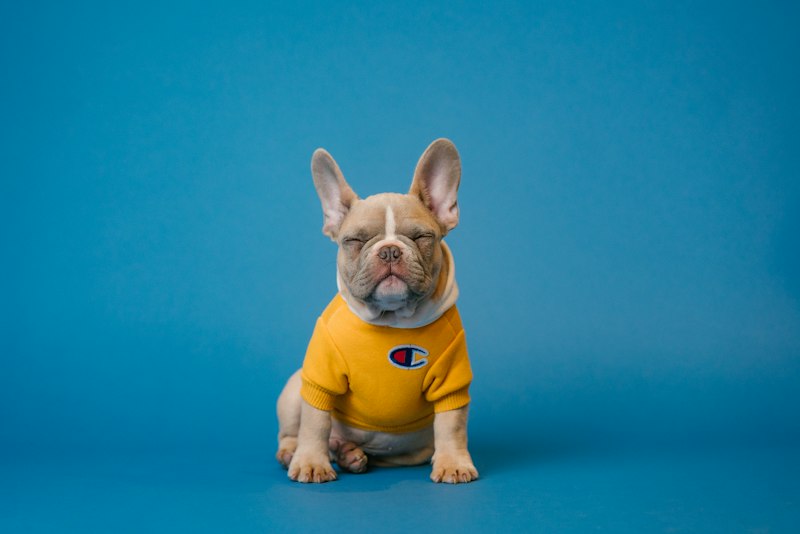
Separation anxiety is a distress response, not act of spite.
When your dog vocalizes, destroys household items, or frantically scratches at exits during your absence, it is easy to misinterpret these actions as rebellion, anger, or retaliation. In truth, separation anxiety is a profound, involuntary panic response. Your companion isn't acting out of spite; they are overwhelmed by a genuine fear of isolation.
Key Takeaways
Recognize the true signs of panic and distress
Use a home camera to observe behavior quietly
Avoid sudden, prolonged absences during initial phases
Commit to systematic, gradual desensitization training
Keep your departures and arrivals entirely calm and low-key
Never punish anxiety-driven behaviors; it increases fear
What Is Separation Anxiety?
For many dogs, being left alone isn't just a moment of quiet waiting—it triggers a profound psychological shift. Separation anxiety is not a bid for attention, nor is it a spiteful reaction to your departure. It is a genuine, involuntary panic state. When their primary attachment figure leaves, vulnerable dogs experience an overwhelming surge of fear akin to a human panic attack, rendering them unable to self-soothe.
“Separation anxiety is a panic response, not a behavioral choice.”
Recognizing the symptoms of this distress is the first step toward effective rehabilitation. It can manifest in highly visible behaviors like persistent vocalization, destructive chewing at exit points, and pacing. However, it can also present silently through intense panting, hypersalivation, or a total refusal to touch high-value treats while you are away. Understanding that these actions stem from fear—not rebellion—allows us to approach their healing with deep empathy and patience.
CLINICAL OBSERVATION
Separation Anxiety Signs at a Glance
Barking & Howling
Pacing & Restlessness
Whining & Whimpering
Panting & Drooling
Destructive Behavior
Scratching Doors
Escape Attempts
House-Soiling
Extreme Greeting
Anxiety During Cues
Please Note: Symptoms must be evaluated in context. Occasional vocalization or restlessness is natural canine behavior; persistent, frantic distress triggered specifically by your absence indicates true separation anxiety.
The Peaceful Canine Method
Step-by-Step Guide: Part 1
Cultivating serene confidence starts in the heart of the home. Follow our signature editorial guide to transitioning your puppy into a relaxed lifestyle, step-by-step.
Step 01
Create a Calm Home
The foundation of behavioral growth begins with physical serenity. Designate specialized rest zones in low-traffic areas of your home. Introducing high-quality CozyPuppies beds naturally guides your puppy toward intuitive self-settling, creating a luxurious and comforting retreat away from daily domestic hustle.
Confidence is grown in quiet moments alone. Train your dog to embrace personal space by creating positive associations. Placing high-value treats and toys on CozyPuppies beds encourages them to remain comfortably nestled even when you leave the room, redefining boundaries as cozy retreats.
Dull the trigger potential of departure rituals. Pick up your keys, put on shoes, and open doors calmly without leaving. Pair these potential stress-moments with reward-training, encouraging your dog to remain completely undisturbed on their memory-foam CozyPuppies beds. Soon, departures become entirely unremarkable.
Golden Rule: If your dog becomes distressed, make the next step easier.
01
Calm Nearby
Establish a baseline of absolute comfort and stillness while sitting close to their zone.
02
Short Distance
Create physical separation inside the same room, normalizing your movement away.
03
Leave Room
Step briefly out of sight into an adjacent open room for only a few fleeting seconds.
04
Short Out-of-Sight
Gently extend the duration of simple out-of-sight absences up to a full minute.
05
Interior Door
Begin closing doors between rooms, demonstrating that closed barriers are safe.
06
Exit Door
Step outside the main front exit door. Close it, wait ten seconds, and step back inside.
07
Increase Duration
Slowly scale departure times from 2 minutes up to 30, and eventually a full hour.
08
Progress While Relaxed
Always prioritize psychological comfort over speed. True safety takes patience.
BUILDING LASTING INDEPENDENCE • PART 2
Steps 4 – 7: Calm & Confident
04
Short Absences
Begin leaving your puppy alone in their safe space for very brief intervals—starting with just a few minutes. Walk out of the house, stand outside the door, and return before they show any signs of anxiety. Gradually build up the duration as they remain calm.
05
Positive Associations
Create a delightful routine around your departures. Provide a high-value treat, like a stuffed puzzle toy, exclusively when you leave. This helps your puppy associate your absence with rewarding, engaging experiences.
06
Calm Departures & Arrivals
Keep departures and returns low-key and unemotional. Avoid dramatic goodbyes or overly enthusiastic hellos. By treating departures as normal, non-events, you signal to your puppy that being alone is perfectly safe and routine.
07
Prevent Severe Distress
Never let your puppy reach a state of panic during training. If they begin to whine, howl, or bark excessively, you have advanced too quickly. Calmly return when they are quiet, and set back the timer to a shorter, successful duration.
Signs of Threshold Distress
Incessant whining, barking, or howling
Destructive clawing or chewing near exits
Heavy panting or pacing that won't settle
COZYPUPPIES COGNITIVE CARE
Separation Anxiety Quick Checklist
Use this comprehensive, 15-point checklist to gently diagnostic, train, and support your companion through separation training. Save or screenshot this grid to keep your daily progression aligned with professional behavioral training standards.
01 / PREPARATION
Quietly observe baseline behaviors and triggers
Establish a dedicated, calming safe zone
Encourage independent play nearby daily
Identify and list all specific departure cues
Desensitize keys, shoes, and coat triggers
02 / TRAINING
Practice micro-absences of only 5-10 seconds
Reward calm, quiet behavior instantly
Offer puzzle toys and safe enrichment chew items
Maintain extremely low-key, neutral departures
Ensure arrivals are calm and uncelebrated
03 / PROGRESSION
Avoid physical or verbal punishment completely
Set up a camera feed to track real-time stress
Log triggers and successful duration increments
Implement comforting ambient white noise
Consult a veterinary behavior expert if stuck
Screenshot this training checklist to keep it handy on your mobile device during your active conditioning blocks.
A Quiet Sanctuary
A Journey of Patience and Love
Every companion deserves a space to unwind—a soft, dedicated corner where the daily rush slows down and calm takes over. Providing a comforting anchor for your dog is the gentlest way to return the pure, unconditional devotion they share with you every single day.